On the spiritual contemplation of the sacred Chrism.
GOD is in Christ, Christ in the sacraments, the sacraments in men, for their temporal death here, that men by those same sacraments may be initiated in Christ and God, for their eternal life. Every descent of the divinity is for the ascent of humanity: every descent is for mortification, that there may be a resurrection to life. God was made man, that he might die for men, and ordain sacraments of mortification for them that believe in him; mortification, I say, of faithful men, that they may live immortally in God. All the sacraments, as Dionysius the Areopagite teaches, work our assimilation to God; and this cannot be, unless at the same time they work our mortification in ourselves, that God may live in us. In the sacraments therefore we ourselves die, that Christ may live in us.
Through death we pass to life; through the death of death, that is, to the life of life. Through sacraments of mortification, in all of which there is the death and cross of Christ, we pass to Christ himself the giver of life; that in them we being crucified, dead, and "buried with Christ," may stand forth purified, illumined and perfected in him; rising again, as it were from the dead, living in Christ, purified by his sacraments, in which is the virtue of the death and cross of Christ; by which sacraments we "crucify the flesh with the affections and lusts," (Gal. v. 24.) that the virtue of the Spirit may live in us. All things were first in Christ, and from him come all things to us. In him is humility, death, sanctification of himself, an ensample to others, that they may die righteous. In St. John he says, "For their sakes I sanctify myself, that they also might be sanctified through the truth." (I Joh. xvii. 9) He, the holy one, sanctified others, that they, being holy, might sanctify yet others: he gave an ensample of holiness to men. From him flow all things, which are previously in himself. He, being purified, makes pure; being sanctified, he sanctifies; being perfected, he makes perfect. He is our Telete, that is, our sanctification and perfection. Since the Chrism makes perfect, it was therefore called Telete by our forefathers. Extreme Unction is the consummation of our Christianity. In anointing there is an emblem of Christianizing: from the fulness of anointing, Jesus is called Christ; in whom all that are his are anointed.

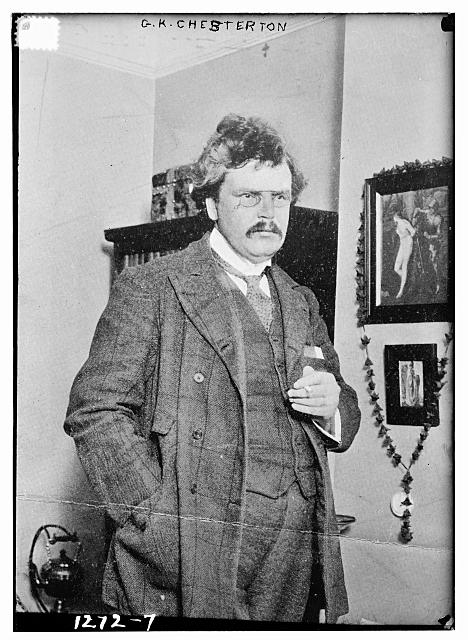
Colet, famous Dean of St Paul's Cathedral in London, was one of the leading Renaissance humanists in England, and a correspondent of Erasmus; in this commentary on the works of Pseudo-Dionysius, he demonstrates at once his belonging to the mainstream of mediæval European theological piety, which delighted in the works of the Areopagite (St Albert the Great and St Thomas Aquinas both wrote commentaries on the same), and his deep appreciation of the sacraments as God's works in Christ to divinize man.